

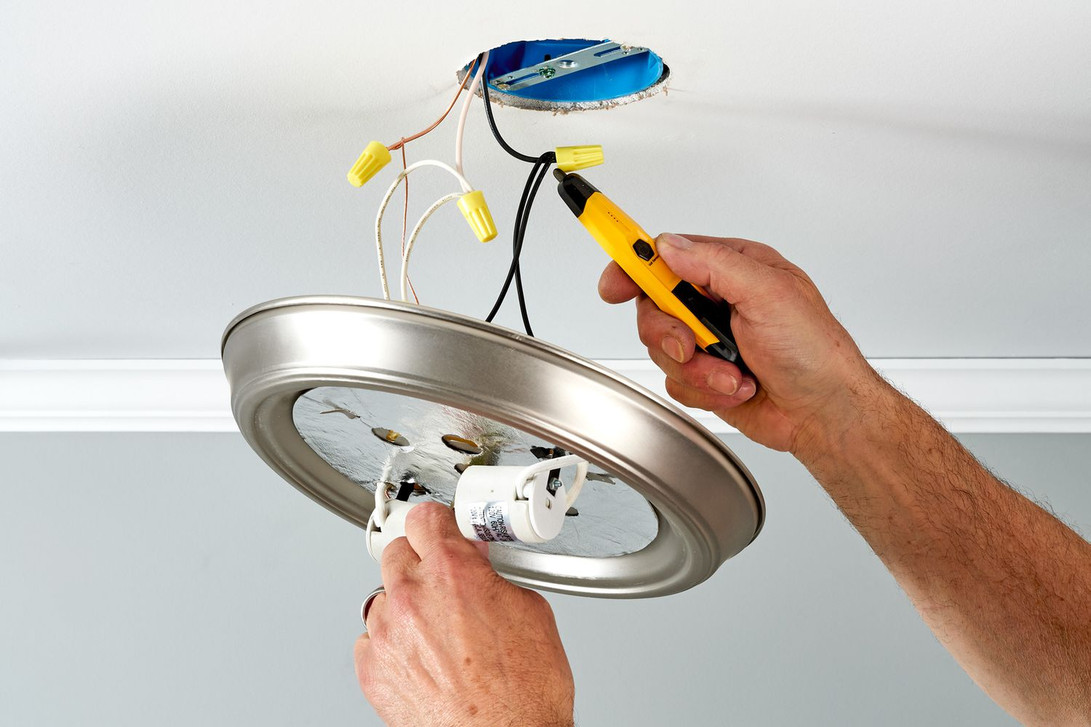
Upgrading commercial lighting can improve energy efficiency, reduce maintenance costs, and create a better environment for employees and customers. However, replacing fixtures is about more than simply choosing a newer product. A successful lighting upgrade starts with understanding your goals, your existing infrastructure, and the long-term needs of your facility.
At Geller Lighting Supply, we've worked with contractors, facility managers, property owners, and maintenance professionals for decades. Over the years, we've seen lighting projects that deliver exceptional results and others that encounter avoidable challenges. The difference often comes down to planning and product selection.
Here are five important things to consider before replacing commercial light fixtures.
1. Define Your Lighting Goals First
Before selecting any fixture, it's important to understand what you're trying to accomplish.
Many businesses begin a lighting project because of rising energy costs. Others are looking to improve visibility, modernize an aging facility, reduce maintenance calls, or create a better experience for occupants. In many cases, a lighting upgrade can accomplish all of these goals.
For example, LED fixtures typically consume significantly less energy than older fluorescent, metal halide, or high pressure sodium systems. At the same time, they can provide more consistent light output and longer service life.
One of the first questions our team asks customers is what they hope to achieve with the project. Understanding those objectives helps identify the products and solutions that will provide the greatest long-term value.
2. Not Every Fixture Is a Direct Replacement
One of the most common misconceptions about lighting upgrades is that every fixture can be swapped out without additional planning.
Commercial facilities often have unique electrical systems, mounting configurations, ceiling types, and lighting layouts. A fixture that appears similar on paper may require different wiring, mounting hardware, or installation procedures.
Before ordering replacement fixtures, verify:
• Voltage requirements
• Mounting methods
• Physical dimensions
• Existing control systems
• Building code requirements
Our team regularly helps customers navigate these considerations before products are ordered. Spending a little extra time evaluating compatibility can prevent installation delays, change orders, and unnecessary costs.
3. Light Output Matters More Than Wattage
Many people still compare lighting products by wattage, but modern LED technology has changed that approach.
Instead of focusing solely on watts, pay attention to lumens, which measure the amount of light produced. Today's LED fixtures can deliver significantly more light while using less energy than older technologies.
Color temperature is equally important. Different environments benefit from different lighting characteristics.
A warmer color temperature can create a comfortable atmosphere in hospitality and retail settings, while cooler temperatures are often preferred in warehouses, manufacturing facilities, and workspaces where visibility is critical.
Having worked with lighting projects across a wide range of applications, we've found that selecting the proper light output and color temperature can make just as much difference as the fixture itself.
4. Controls Can Increase Savings and Performance
Many businesses focus only on the fixture itself and overlook the benefits of modern lighting controls.
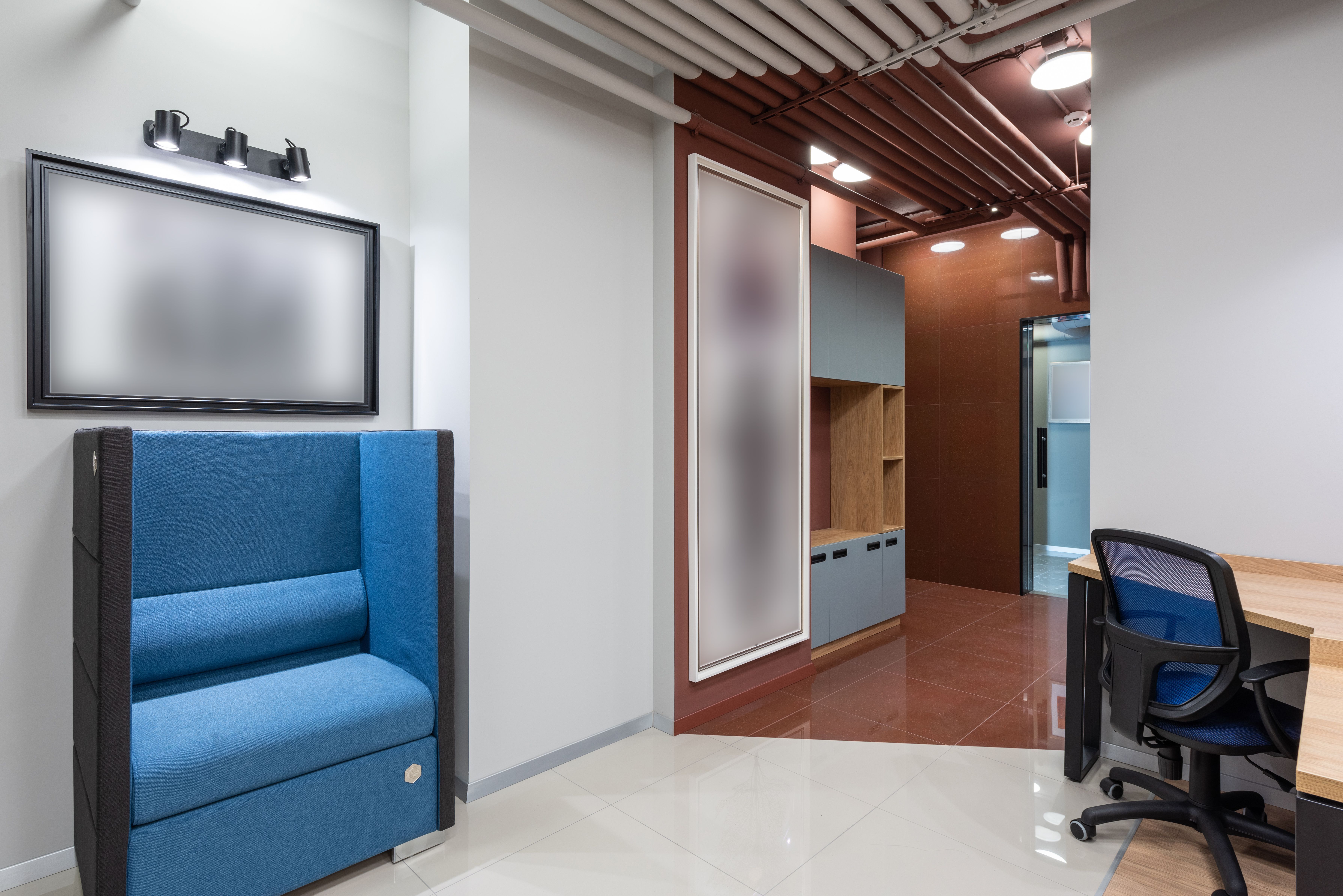
Features such as occupancy sensors, motion sensors, daylight harvesting systems, and programmable controls can further reduce energy consumption while extending fixture life.
For example, lights in storage areas, conference rooms, restrooms, and warehouses often operate unnecessarily when spaces are unoccupied. Automated controls help ensure lighting is used only when needed.
In some applications, advanced controls can generate additional energy savings beyond the fixture upgrade itself.
As lighting technology continues to evolve, our customers are increasingly incorporating controls into their projects to maximize efficiency and take full advantage of modern lighting systems.
5. Consider Long-Term Maintenance Costs
The purchase price of a fixture is only one part of the equation.
Maintenance costs, labor expenses, replacement frequency, and downtime all contribute to the total cost of ownership. A lower-cost fixture may seem attractive initially but could require more frequent servicing or replacement over time.
Quality LED fixtures often offer rated lifespans of tens of thousands of hours, helping reduce maintenance demands and minimizing disruptions to daily operations.
This is particularly important in facilities with high ceilings, difficult access points, or areas where maintenance activities can interrupt productivity.
One lesson we've learned after years in the lighting industry is that the lowest upfront cost does not always translate to the best value. Looking at the complete lifecycle of a fixture often leads to better long-term results.
Final Thoughts
Replacing commercial light fixtures presents an opportunity to improve efficiency, performance, and reliability throughout your facility. By defining your goals, evaluating compatibility, understanding lighting metrics, exploring controls, and considering long-term maintenance, you can make informed decisions that maximize the value of your investment.